Want Powerful Phrases to Disarm Narcissists for FREE? Grab Them Right Here!

Welcome to
Your New World of Winning

Helping You Effortlessly Transform High Conflict Into Harmony
“Yes I Want My FREE Crush My Negotiation Prep Playbook!”






About
I’m Glad You’re Here

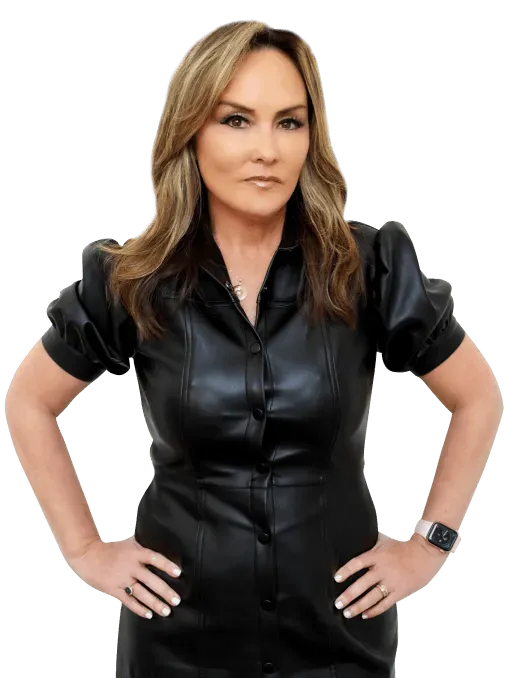
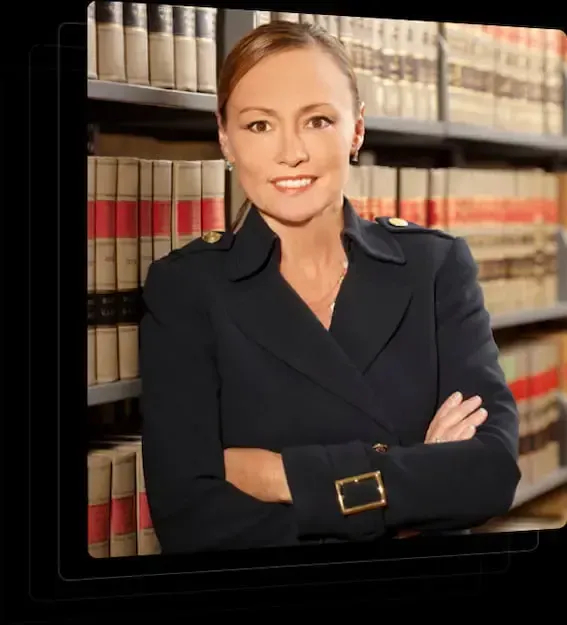
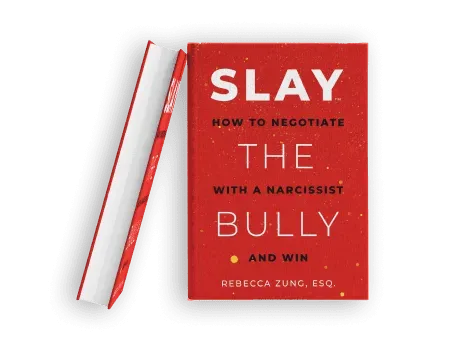
I am a top-ranked trial lawyer, USA Today Bestselling author of SLAY the Bully: How to Negotiate with a Narcissist and Win and the founder of the revolutionary SLAY Method® of negotiating with narcissists which has transformed lives more than 150 countries. I originally began studying narcissism so that I could win against them in the courtroom. I am now here to make the case that you CAN win against them too with anyone in any situation.
And I want to invite you to start right now with…
My Free Masterclass
Why the Judge Keeps Believing the Narcissist’s LIES
(And How to WIN Anyway)
Join me by clicking right here to Sign Up




Influencer Leader Testimonials

JOHN GRAY
“Difficult people are everywhere and I highly recommend Rebecca’s work”
MEL ROBBINS
“She is a top trial lawyer so if you master her SLAY strategy, you’ll win every single day!”
JUDGE LYNN TOLER
“She has a tremendous method ability, processes and procedures – check her out!”
BOB PROCTOR
“Get on board – do exactly what Rebecca says – everything in your life will change.”
Featured Works
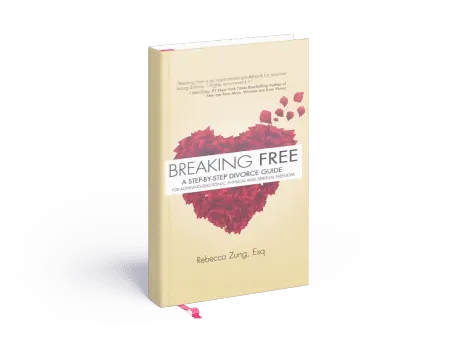
Rebecca’s Bestselling Books
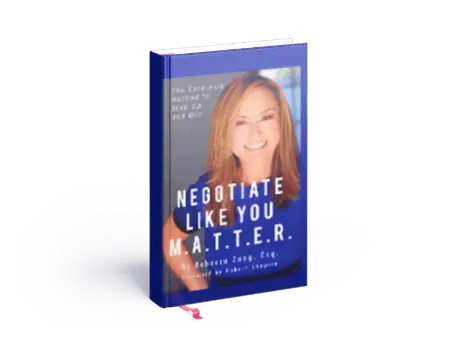
Explore the powerful strategies and insights in Rebecca Zung’s acclaimed publications, which are #1 Amazon and USA Today Bestsellers. Each book provides you with unique tools to master negotiations in different types of scenarios. All designed to help you transform high-conflict situations and negotiate your best life.
Certification
Become Certified in High Conflict Negotiation
Ready to master high-conflict negotiations and build a profitable coaching career? Dive into our High Conflict Negotiation Certification Program, where expert Rebecca Zung guides you from conflict to conquest. Whether facing tough business negotiations or personal challenges, you’ll learn to handle them like a pro, emerging not just unscathed but victorious, all through the transformative power of the SLAY Method ®.
Our program delivers all you need: powerful negotiation strategies and the blueprint to launch your own full-time coaching business. It’s practical, professional, and packed with potential. You won’t just learn to change outcomes; you’ll transform lives, starting with your own. Get certified, gain lifelong skills, and join a network of professionals poised for success. Start transforming high-stakes conversations and your career today. Let’s empower you to lead and succeed!
Client Testimonials

BRENT PAISTE
“If you feel stuck, follow Rebecca and use her phrases. Dealing with a narcissist…”
MIA MADAFERRI
“As an attorney, I can’t recommend this training enough, because it is…”
MICHAEL WILLIAMS
“The Slay method. It’s been super helpful in building boundaries…“
CARRIE SCHULTZ
“As a board certified attorney, I can say this program is priceless. It can really help…”
MEL ROBBINS
×JUDGE LYNN TOLER
×BOB PROCTOR
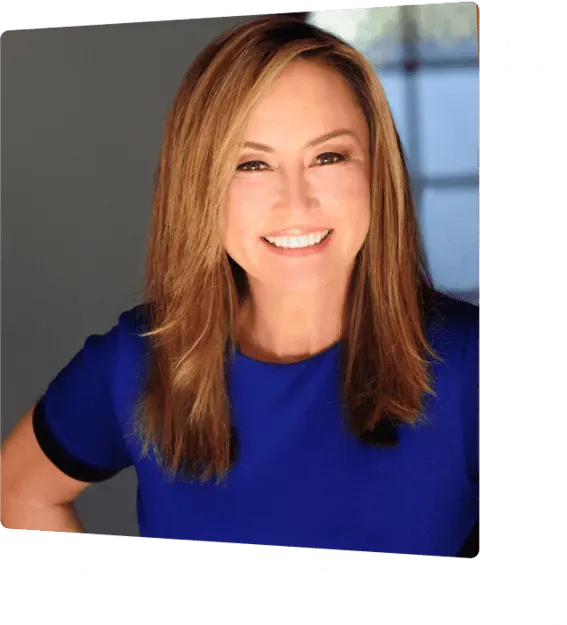
×Rebecca Zung Esq is a globally recognized high conflict negotiation expert, an attorney recognized as Best Lawyer by US News, and USA Today Bestselling Author.
Social Media


Rebecca Zung LLC | 2026